D-Service Category: Dental Treatments

  • Blog
  • D-Service Category: Dental Treatments
Shape1
Shape2
Partial Dentures
June 28, 2023

Partial Dentures

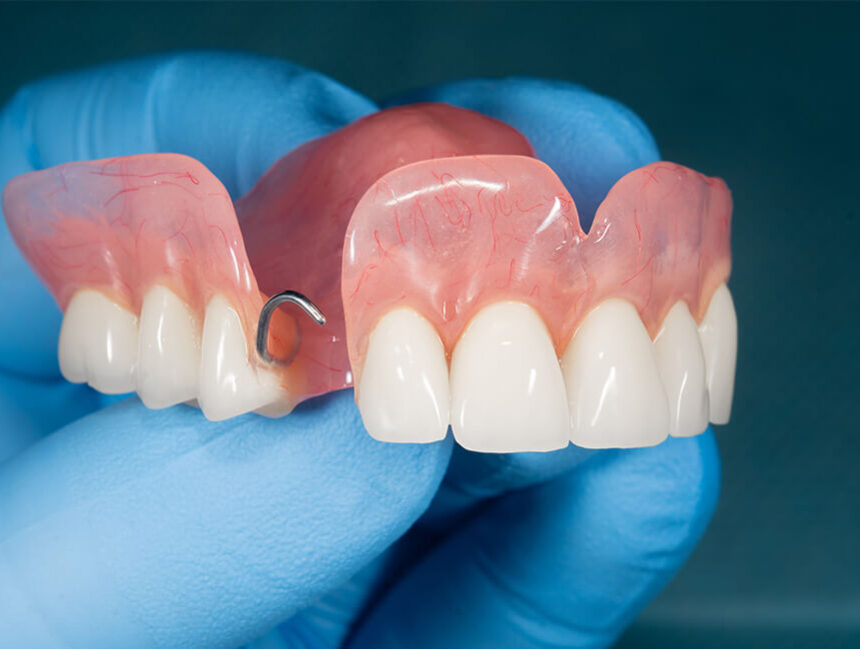
A removable partial denture is designed specifically to meet the needs of the patient and can replace one or more missing teeth. A natural appearance and speech clarity is restored along with the ability to eat more efficiently. Partial Denture Types and Materials Partial dentures are created out of a metal and acrylic composition or completely out of acrylic. A patient’s specific needs and anatomy dictate the design of the partial denture and every effort is made to construct a self-cleansing partial denture that preserves the remaining teeth and oral tissues. Dr. Kapoor or Dr. Sehgal will design your partial denture so that the chewing forces are evenly distributed over the entire surface are of the remaining teeth and soft tissues. Changes to your remaining teeth may be recommended to help equalize these forces. Metal partials are generally preferred as they are structurally superior. They are thinner and more hygienic than acrylic partial. Acrylic partials are typically used as transitional or temporary partials. Drs. Kapoor or Sehgal will consult with you to determine the appropriate partial for your situation. Benefits of Partial Dentures A removable partial denture may help limit the movement of your existing natural teeth. They also allow you to better grind and chew food improving digestion.

Read More
Snap-In Dentures
June 28, 2023

Snap-In Dentures

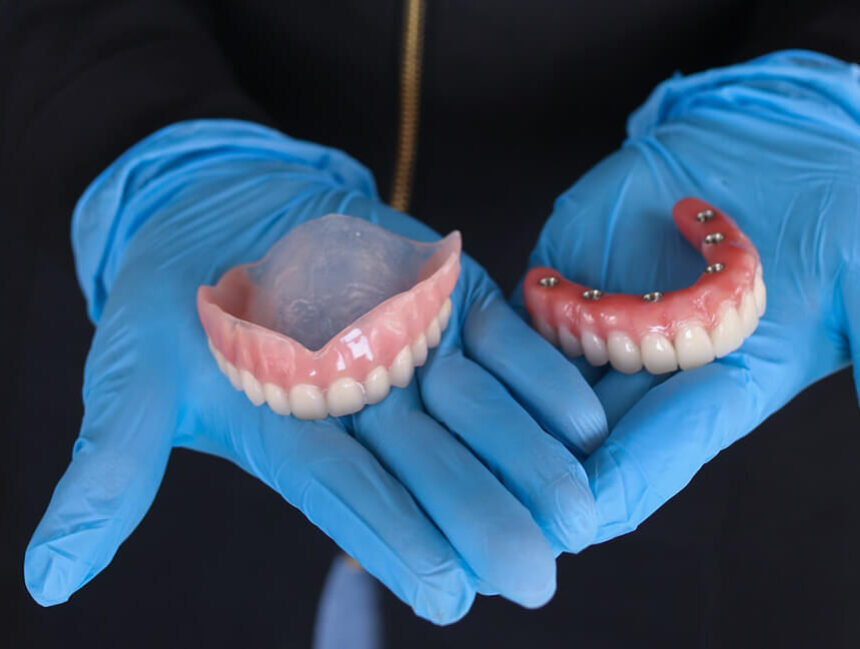
Snap-in dentures are immediate replacement teeth, also known as full-mouth restorations, implant-supported dentures, or overdentures. This cutting-edge treatment allows Dr. Kapoor to combine implant technology with traditional dentures to give you a brand-new smile and a fresh outlook on life, all in one visit. What are snap-in dentures? Simply put, snap-in dentures are a combination of traditional dentures and dental implants. This prosthetic snaps on implants or a metal plate that is connected to the implants. While traditional dentures can be inconvenient, uncomfortable, and unstable, a full arch of dental implants can be expensive and complicated. However, putting these two treatments together—implant-supported overdentures—provides a solution that works for nearly everyone. During this procedure, we place four dental implants in your jaw with a full dental bridge attached to them, resulting in a complete row of removable teeth—all in only one appointment. Snap-In Denture Benefits Affordable. This procedure requires only four implants per arch, so it is much more cost-effective than placing an entire row of implants. Convenient. Implants and replacement teeth can typically be placed during the same appointment. Bone Graft-Free. We place two of the four implants at special angles in the back of the jaw, making the best use of available jawbone and often eliminating the need for bone grafting. Fast. This treatment requires less time in the chair and less time to heal. Snap-In Dentures Disadvantages If the cost or fear of implant surgery is holding you back from getting snap-in dentures, we assure you the benefits outweigh these issues in the long run. Snap-in dentures provide a higher level of functional and aesthetic qualities than any other complete teeth replacement option which render them essentially priceless. The repair, reshaping, and replacing NOT required of snap-in dentures saves you money in the future. And when it comes to oral surgeries, we administer a general anesthetic during implant placement that keeps you safe and comfortable throughout the procedure. How to Care for Snap-In Dentures We recommend you care for your snap-in dentures as you’d care for traditional dentures:

Read More
Implant Retained Dentures
June 28, 2023

Implant Retained Dentures

Replacing missing teeth with implant-retained dentures Usually, when you lose a tooth, it is best for your oral health to have it replaced. Missing teeth can affect your “bite” as well as your ability to speak and chew. Their loss can increase the burden on your remaining teeth and can cause muscle pain in your jaws and headaches. And of course, losing a tooth can affect your appearance. The following information reviews replacing missing teeth with an implant-retained denture. Although many patients have no problem wearing an upper denture, some people find it difficult to wear and eat with lower dentures. Several implant-supported replacement options are available if you are missing all of your lower teeth. What if I’m missing all of my lower teeth? Ball Attachment Denture One option is to have two implants placed in your lower jaw and a denture made that snaps onto these dental implants. This option allows your lower denture to be more stable while chewing than without implants. However, there will still be movement of your lower denture, and sore spots will occur if any food particles, especially seeds, are caught under it. As with all removable replacement teeth, you still will need periodic appointments for denture adjustment. Bar Attachment Denture Another option involves placing four to six implants, depending on your jaw size or shape, into your lower jaw. After healing is complete, the implants are connected with a custom-made support bar. Your denture will be made with special internal retention clips that attach to the support bar, enabling the denture to snap firmly into place. This is called an “overdenture.” The advantage of this option is that it is much more stable than the first option and allows very little denture movement. Your denture is still removable for easy cleaning and maintenance. Screw Retained Denture A third option involves placing five or more implants in your jaw and attaching a permanent denture. Your denture is held in place by screws or clasps that secure it to the support posts or bar. It doesn’t touch the gum tissue, which allows you to clean under the denture without removing it. This denture will replace all your missing lower teeth and will not be removed except at maintenance visits. Although cleaning under your denture without removing it is more time consuming and requires more dexterity, many patients who want a permanent denture prefer this option. What If I’m Missing All Of My Upper Teeth? A similar range of treatment options is also available for your upper jaw. However, because the bone is not as hard as that in the lower jaw, people often need more implants to support their new replacement teeth. Depending upon the number of implants to be placed, it may be possible to eliminate the need for covering the roof of your mouth with a complete denture. This option allows you to fully taste your food and gives you a better sense of its temperature. Your denture will feel more natural. You will still have a removable denture, which makes cleaning the support bar and denture much easier. Implant Retained Upper Denture Depending upon the number of implants to be placed, it may be possible to eliminate the need for covering the roof of your mouth with a complete denture. This option allows you to fully taste your food and gives you a better sense of its temperature. Your denture will feel more natural. You will still have a removable denture, which makes cleaning the support bar and denture much easier. Implant benefits

Read More

Dentures
June 28, 2023

Dentures

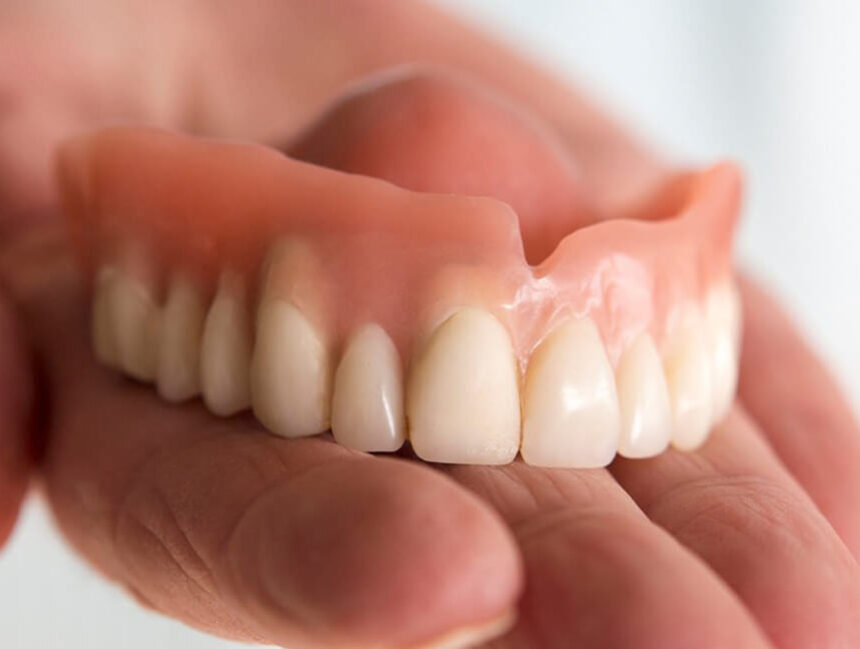
What are Dentures? A denture or a complete denture as it is often called, is an appliance that is inserted in the mouth, replaces natural teeth and provides support for the cheeks and lips. What Are Dentures Made of? Most dentures are made of acrylic and can be fabricated in two different ways. The teeth are made of plastic, porcelain, or a combination of both. Dentures can be fabricated to fit over endodontically treated teeth and a complete denture can be attached to dental implants to allow for a more secure fit of the appliance. How often should I replace my Dentures? Dentures over a normal course of time will wear and need to be replaced or relined in order to keep the jaw alignment normal. The alignment will slowly change as the bone and gum ridges recede or shrink due to the extraction of the teeth. Regular dental examinations are still important for the denture wearer so that the oral tissues can be checked for disease or change.

Read More

Category

Lorem ipsum dolor sit amet consectetur adipiscing elit ut arcu a dignissim suscipit non ac eget tellus in nisl mauris nec.

Author Image Link

Sarah Taylor

Obstetrics & Gynaecology

Book An Appointment