D-Service Category: Dental Treatments

  • Blog
  • D-Service Category: Dental Treatments
Shape1
Shape2
Immediate Dentures
June 28, 2023

Immediate Dentures

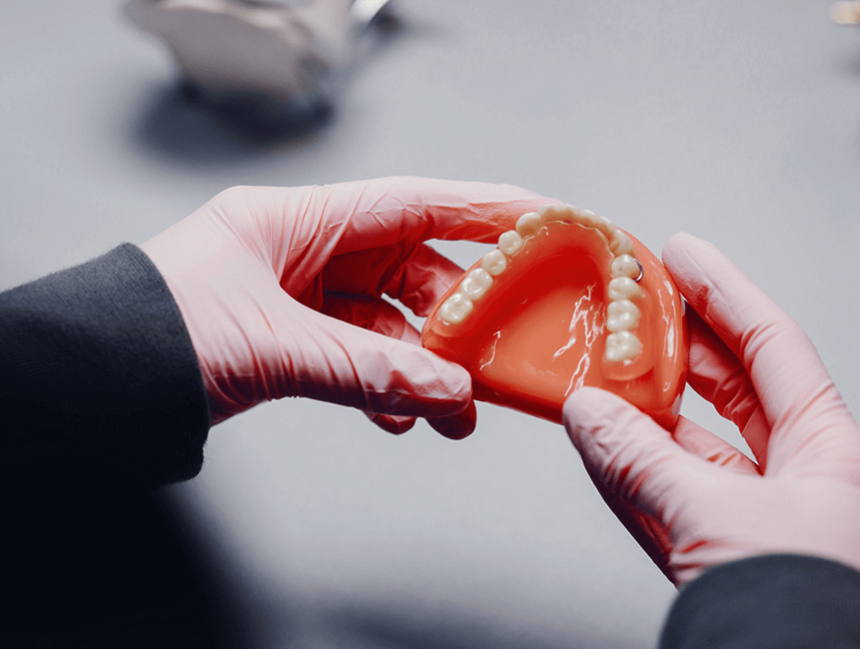
An immediate denture may be the best solution when complete extractions of your remaining teeth are unavoidable. An immediate denture will allow you to avoid the embarrassment of living without teeth. We will begin the preparation for this procedure before your teeth are extracted. The first step is taking impressions of your existing teeth and gums to create accurate duplicates for placement after tooth removal. At your extraction appointment, your immediate dentures are inserted creating a natural smile you can be proud of. What you should know about immediate dentures In most cases, we have no way of checking the denture’s fit in your mouth prior to extraction. Esthetic compromises may have to be made in some cases to compensate for inadequate space or structural concerns. After Extraction Great care should be taken to follow all postoperative instructions. Your gums and bone will recede after extraction, and regular check-ups and maintenance will monitor healing and reduce problems. Temporary linings or tissue conditioners will be required to create an optimal fit and may need to be adjusted or replaced a number of times during the healing period. A permanent denture reline will be needed to ensure a comfortable and exact fit after you have completed the healing process.

Read More
Dental Sealants
June 28, 2023

Dental Sealants

What is a dental sealant? Highly effective in preventing decay on the biting surfaces of your chewing teeth, dental sealants are a simple procedure in which a tooth-colored acrylic “coating” is painted onto the surface of the tooth. Dental sealants effectively “seals” the deep grooves, acting as a barrier and protecting enamel from plaque and acids. Dental sealants protect the depressions and grooves of your teeth from food particles and plaque that brushing and flossing can’t reach. Easy to apply, dental sealants take only a few minutes to seal each tooth. Sealants hold up well under the force of normal chewing and can last several years before a reapplication is needed. Children and adults can benefit from dental sealants in the fight against tooth decay.

Read More
Root Canal Treatment
June 28, 2023

Root Canal Treatment

What is a root canal? A root canal is one of the most common dental procedures performed, well over 14 million every year. This simple treatment can save your natural teeth and prevent the need of dental implants or bridges. At the center of your tooth is pulp. Pulp is a collection of blood vessels that helps to build the surrounding tooth. Infection of the pulp can be caused by trauma to the tooth, deep decay, cracks and chips, or repeated dental procedures. Symptoms of the infection can be identified as visible injury or swelling of the tooth, sensitivity to temperature or pain in the tooth and gums. If you experience any of these symptoms, your dentist will most likely recommend non-surgical treatment to eliminate the diseased pulp. This injured pulp is removed and the root canal system is thoroughly cleaned and sealed. Root canal therapy usually involves local anesthesia and may be completed in one or more visits depending on the treatment required. Success for this type of treatment occurs in about 90% of cases. If your tooth is not amenable to endodontic treatment or the chance of success is unfavorable, you will be informed at the time of consultation or when a complication becomes evident during or after treatment. Dr. Kapoor and Dr. Sehgal use local anesthesia to eliminate discomfort. In addition, we will provide nitrous oxide analgesia, if indicated. You will be able to drive home after your treatment, and you probably will be comfortable returning to your normal routine. What happens after treatment? When your root canal therapy has been completed, a record of your treatment will be sent to your restorative dentist. You should contact their office for a follow-up restoration within a few weeks of completion at our office. Your restorative dentist will decide on what type of restoration is necessary to protect your tooth. It is rare for endodontic patients to experience complications after routine endodontic treatment or microsurgery. If a problem does occur, however, we are available at all times to respond. To prevent further decay, continue to practice good dental hygiene. Endodontic Presentation Endodontic Presentation How much will a root canal cost? The cost associated with root canals can vary depending on factors such as the severity of damage to the affected tooth and which tooth is affected. In general, endodontic treatment is much less expensive than tooth removal and replacement with an artificial tooth.

Read More
Amalgam Fillings
June 26, 2023

Amalgam Fillings

Silver Fillings Dental amalgam is a filling material that has been used by dentists for over 150 years. A mixture of metals that typically includes silver, copper and tin, dental amalgam fillings (commonly referred to as “silver fillings”) also contain mercury, which has raised safety concerns among patients from time to time. In response to those concerns, the U.S. Food and Drug Administration (FDA), American Dental Association (ADA) and other organizations have conducted numerous studies over several decades and have repeatedly found that the small amount of mercury released during placement and removal of amalgam fillings does not cause adverse health effects. Amalgam fillings remain a safe, cost-effective and durable choice when it comes to the restoration of decayed teeth.   Frequently Asked Questions about Amalgam Fillings Why is amalgam still used to fill teeth when composite materials are available?   While composite (or “tooth colored”) fillings are more durable than ever thanks to advancements in technology, there are still many cases where amalgam fillings perform better (and longer). This is often the case with teeth that are naturally subjected to extensive chewing force, such as molars. Mercury is an important part of the amalgam mixture as it contains unique elements that allow it to be manipulated with ease during placement and then harden quickly after. In addition to the benefits of longevity, amalgam fillings are also more affordable than composites. What concerns are there with mercury and its effects on the body?   tesrtMercury is a naturally occurring metal and one that we are exposed to in small amounts through water, air and food throughout our lives. Excessive exposure to mercury can negatively affect the brain and kidneys – however, it is important to understand that amalgam fillings do not cause dangerous levels of mercury exposure. Numerous scientific studies and thoughtful research have led the FDA to stand behind its position: amalgam fillings are a safe and effective restoration method for patients over 6 years of age. What is the ADA’s position regarding the use of silver amalgam fillings?   A thorough summary of evidence ranging from 2004-2010 led the ADA to reaffirm its position that amalgam is a valuable and safe choice for patients. When is it appropriate to use composite fillings?   Composite fillings are typically made of a resin and glass mixture, tinted to the color of your tooth, and commonly referred to as “white” or “tooth-colored” fillings. They serve an important purpose for teeth that are visible when smiling, providing an aesthetic benefit not afforded by silver fillings. While resin composite fillings undoubtedly look better than amalgam ones, they are generally considered to be less durable, and therefore may not be ideal for teeth that are subject to extreme chewing and biting forces. It is worth noting, however, that composite materials continue to benefit from technological advancements, contributing to enhanced durability. The ADA supports composite materials in small or mid-size fillings on teeth that are exposed to moderate pressure from chewing, and acknowledges that they are a good choice for a more natural-looking filling.   The bottom line? The ADA Council on Scientific Affairs has concluded that both amalgam and composite materials are considered safe and effective for tooth restoration. If you still have concerns about amalgam fillings, please don’t hesitate to call our office! It is important to us that you fully understand all available options when it comes to your oral health.

Read More

Category

Lorem ipsum dolor sit amet consectetur adipiscing elit ut arcu a dignissim suscipit non ac eget tellus in nisl mauris nec.

Author Image Link

Sarah Taylor

Obstetrics & Gynaecology

Book An Appointment