

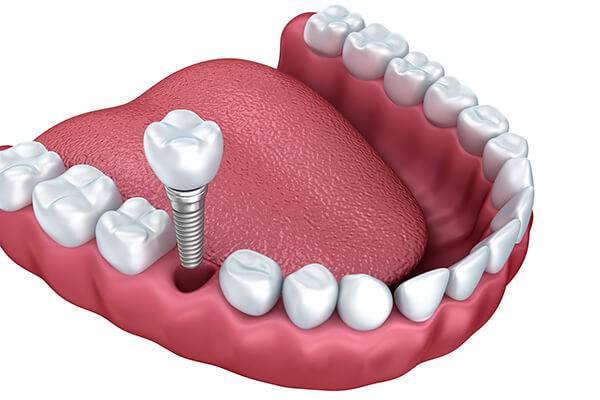
If you are researching dental implants, you have probably typed the exact question into a search bar: Does Medicare cover dental implants? It is a smart question. Dental implants are often the most durable and natural-looking way to replace missing teeth, yet they can represent a significant investment. In this guide, our clinical team explains how Medicare works for dental care in 2025, where exceptions apply, what Medicare Advantage may offer, and practical ways to finance treatment without derailing your budget. We will keep the discussion educational and unbiased so you can make informed decisions for your health and finances.
The short answer
Original Medicare (Parts A and B) generally does not cover dental implants or routine dental services. Medicare may cover certain dental services only when they are directly linked to the success of a covered medical treatment or when the dental care is provided during a hospital stay due to the severity of your condition. Even then, coverage is limited and typically does not include the placement of implant posts or the final crowns.
Why dental care is usually outside Original Medicare
Medicare was designed to fund hospital and physician services. Routine dental care was excluded at the program’s inception and remains largely outside its scope. In recent years, however, the Centers for Medicare & Medicaid Services (CMS) has clarified that Medicare can pay for medically integral dental services that are inextricably linked to the success of certain covered medical treatments. Examples include dental exams and infection control before heart valve surgery, organ or bone marrow transplant, treatment related to head and neck cancer therapy, and, starting in 2025, dental assessments and treatment to eliminate infection before or during dialysis for end-stage renal disease. These clarifications do not convert Medicare into general dental insurance, but they matter for people preparing for complex medical care.
Quick check: what each part of Medicare does for dental needs
- Part A (Hospital Insurance). Covers inpatient hospital services. In rare situations where you are admitted as a hospital inpatient for a dental procedure because of your underlying medical condition or the severity of the procedure, Part A may cover hospital charges. This does not usually extend to the implant itself.
- Part B (Medical Insurance). Covers outpatient medical services. It may pay for medically integral dental evaluations or treatments necessary to ensure the success of certain covered medical services, such as clearing an oral infection before chemotherapy or valve surgery. Implants themselves are generally excluded.
- Part C (Medicare Advantage). Private plans that must cover everything Original Medicare covers and may add supplemental dental benefits, sometimes including limited implant coverage. The benefit designs vary widely and are often capped by an annual dollar maximum. In 2025, nearly all Medicare Advantage plans offer some dental benefit, but the scope ranges from preventive cleanings only to more extensive services with annual caps.
- Part D (Prescription Drugs). Does not cover dental procedures or implants.
- Medigap (Supplemental). Helps with cost-sharing under Original Medicare but does not add dental coverage.
“Does Medicare cover dental implants?” The nuanced, practical answer
If you are asking yourself, “Does Medicare cover dental implants?” because you are weighing options for tooth replacement, here is the practical translation of the rules:
- Original Medicare will not pay for the implant fixture, abutment, or crown in the typical case of tooth loss from decay, gum disease, or trauma.
- Original Medicare may pay for dental exams or treatments only when they are integral to a covered medical procedure, such as preparing for valve replacement, organ transplant, head and neck cancer therapy, or dialysis, or treating complications of those treatments. Even in those scenarios, the benefit usually stops short of funding implant placement.
- Medicare Advantage is where beneficiaries sometimes find partial implant coverage, subject to plan rules, annual maximum benefit limits, network restrictions, and prior authorization. Plans commonly place a dollar cap on dental benefits, and once you reach that cap, additional costs are out of pocket.
What changed recently and what it means for you
Between the 2023 and 2025 Medicare Physician Fee Schedule rules, CMS clarified and expanded the list of clinical scenarios where Medicare may pay for medically integral dental services. Notable additions in the 2025 guidance include coverage of dental exams and medically necessary treatment to eliminate oral infections when performed before or contemporaneously with Medicare-covered dialysis. This is important if your medical team requires dental clearance to safely proceed with a covered treatment.
However, these rules do not convert Medicare into an implant plan. They help with limited, medically necessary dental steps tied to a covered medical service. Implant placement to restore missing teeth remains outside routine Medicare benefits.
Insurance at Sunshine Dental of Manchester
Because this article discusses Medicare and implant coverage, we want to be clear about how insurance works at our practice. We do not accept Medicare. We do partner with a broad range of dental insurers. If you carry one of the following plans, we can help you use your benefits:
- Aetna
- Ameritas
- American Postal Workers Union (APWU)
- Blue Cross Blue Shield Plans
- Careington
- Cigna Dental
- Delta Plans
- Dearborn National
- Employee Benefits Plan Administration (EBPA)
- GEHA
- Guardian
- Humana
- Husky
- Metlife
- Physicians Mutual
- Principal
- Renaissance Dental
- Reliance Standard Life
- Scion
- Standard Insurance
- Tufts Senior Care Options
- United Concordia
- United Health Care
- UMR-Wausau/UHIS
For the most current list of participating plans or to confirm your coverage, please visit our Financial Policy & Insurance page
How Medicare Advantage dental benefits typically work
Medicare Advantage (MA) plans may include dental benefits that can range from cleanings to major services. In 2025, 97 percent or more of MA plans include some dental benefit, but the fine print matters. Many enrollees are in plans with annual dollar limits that can be modest relative to implant costs. Research has shown that a large share of MA enrollees with “more extensive” dental benefits are in plans capped at around $1,000 to $1,500 per year. That cap often applies to all dental care for the year, not just implants.
Other common MA plan features to check:
- Network rules for dentists and specialists.
- Prior authorization requirements.
- Waiting periods for major services.
- Per-tooth or per-arch limits and frequency rules.
- Coordination with any separate stand-alone dental plan you might carry.
Independent consumer resources also note that MA plans with implant coverage often cap benefits and may cover only a portion of implant-related codes. Always review the plan’s Evidence of Coverage and speak with a plan representative to confirm your benefits before you schedule surgery.
Typical costs and why planning matters
While fees vary by market and by case complexity, national consumer health sources place the typical cost of a single-tooth implant (implant, abutment, and crown) in the range of about $3,000 to $7,000. Multi-tooth and full-arch solutions will, of course, cost more. Given that many dental benefits cap out around one to two thousand dollars per year, you can see why a multi-year or multi-source financing plan is often useful.
Seven steps to build a smart payment plan
- Start with a comprehensive exam and written treatment plan. Ask for a diagnosis-driven plan and a line-item estimate that separates surgical costs, abutments, and restorative components.
- Clarify medical intersections. If you are preparing for valve surgery, transplant, head and neck cancer therapy, or dialysis, ask your medical and dental teams whether any part of your dental care is medically integral to the covered treatment.
- Check your Medicare Advantage plan benefits. Verify whether implants are listed as covered, what codes are eligible, and the annual dollar maximum. Confirm network and prior authorization steps.
- Consider a stand-alone dental plan. Some people add a private dental plan that includes implants. Make sure to check waiting periods, annual maximums, and whether major services are covered after a defined time.
- Use tax-advantaged dollars where allowed. Health Savings Accounts (HSAs) and certain FSAs can typically be used for qualifying dental expenses under IRS rules. Once you enroll in Medicare you generally cannot continue contributing to an HSA, but you can spend existing funds on eligible dental care.
- Plan the timing. Because annual dental maximums reset each calendar year, some patients stage treatment across plan years. This must be coordinated carefully with clinical healing timelines.
- If you have Original Medicare only, budget accordingly. For most implant cases, you will be paying out of pocket. Build a written budget that reflects each stage of care and any savings strategies you plan to use.
What Medicare might cover around the edges of implant care
Even though Medicare will not usually pay for the implant itself, it may play a small role in limited circumstances:
- Hospitalization due to medical risk. If a dental procedure must occur while you are admitted as a hospital inpatient because of your underlying medical condition or the procedure’s severity, Part A may cover hospital charges. This does not typically include the implant work itself.
- Medically integral services tied to covered care. As noted earlier, Medicare may pay for dental exams or treatments that are inextricably linked to the success of covered medical services, such as clearing oral infection prior to chemotherapy or valve surgery, or dental exams and infection control related to dialysis care. These policies do not transform Medicare into a comprehensive dental plan.
Building a realistic financing strategy
An effective plan usually combines two or more of the following:
- Medicare Advantage dental benefits. If your MA plan covers implants, use pre-authorization and submit a pretreatment estimate. Track your annual maximum to understand your out-of-pocket share.
- Stand-alone dental insurance. Some private dental plans include implants, often with higher annual maximums than MA benefits, but they may have waiting periods and tiered coverage.
- Dental savings plans (discount plans). These are membership programs that offer reduced-fee schedules with participating dentists. They are not insurance, but they can lower fees and have no annual maximums.
- Tax-advantaged accounts. Use HSA or FSA dollars for eligible dental expenses as permitted under IRS rules.
- Practice payment plans and third-party financing. Many practices offer staged payments or work with reputable healthcare financing companies. Compare APRs, promotional periods, and fees carefully.
- Sequencing treatment. When clinically appropriate, consider staging extractions, grafting, implant placement, and final restoration over time to spread costs and align with annual benefit caps.
- Community resources. Dental schools and charitable clinics occasionally offer reduced-fee care for qualifying patients. Availability varies by location and may not include implant services.
Questions to ask before you commit
- Will my diagnosis or medical history make any part of this dental care medically integral to a covered service under Medicare?
- If I have an MA plan, exactly which implant codes are covered, what is the annual dental maximum, and what are the network and prior authorization requirements?
- How will the treatment be staged and billed, and what is the timeline for each step?
- What are my payment options, and are there any interest-free periods or discounts for payment in full?
- Can I use HSA or FSA funds for parts of my care under IRS rules, and what documentation should I keep?
A realistic look at out-of-pocket costs
Because a single implant with its restoration often falls in the $3,000 to $7,000 range, plans with a $1,000 to $1,500 dental maximum will cover only a portion of the total, leaving most patients to fund the remainder. This is why written estimates, transparent scheduling, and a multi-source payment strategy are essential.
Frequently asked questions
So, does Medicare cover dental implants in 2025?
Original Medicare does not cover implants in typical situations. Medicare Advantage plans sometimes offer partial implant coverage, but benefits vary and are often subject to annual caps. Medically integral dental services related to certain covered treatments may be paid under Parts A or B, but that is not the same as comprehensive implant coverage.
If my dental procedure is done in a hospital, will Medicare pay?
Possibly for hospital facility charges if you are admitted as an inpatient due to your medical condition or the procedure’s severity. This does not usually include the implant itself.
Can I rely on MA plan marketing to decide?
We recommend reading the plan’s Evidence of Coverage and confirming details by phone. While nearly all MA plans offer dental benefits, the scope varies and the benefits often include annual dollar caps that limit how much is paid toward major procedures such as implants.
Are there tax-smart ways to pay?
Yes. Many patients use existing HSA funds or an eligible FSA to pay for qualifying dental expenses. Seek advice from a tax professional for your situation.
Putting it all together
If you have been searching “does Medicare cover dental implants” because you want reliable guidance rather than hype, the bottom line is this: Original Medicare usually does not pay for implants, and Medicare Advantage plans may help but frequently limit how much they pay each year. CMS has clarified important exceptions for dental services that are medically integral to certain covered treatments, yet those exceptions rarely include the implant itself. A successful plan often combines a clear clinical roadmap, careful reading of benefits, and a smart mix of savings strategies.
At Sunshine Dental of Manchester, our priority is to help you understand your options and design a treatment and payment approach that respects your health goals and your budget. If you still find yourself wondering “does Medicare cover dental implants” after reading this guide, bring your questions to your consultation along with your plan documents so we can review them with you.
A brief financing checklist you can use right now
- Get a written, itemized estimate for each stage of implant care.
- Ask your medical team whether any part of your dental care is medically integral to a covered treatment.
- If you have Medicare Advantage, confirm implant coverage, annual maximums, network rules, and prior authorization steps.
- Decide whether a stand-alone dental plan or a dental savings plan could add value.
- Use existing HSA or eligible FSA funds when allowed and keep receipts as the IRS requires.
- Compare practice payment plans and third-party financing terms and calculate the full cost of credit.
- Consider staging care across calendar years when it aligns with clinical needs and benefit resets.
Finding a predictable way to pay for dental implants starts with facts, not assumptions. Original Medicare rarely funds implants, Medicare Advantage may contribute within limits, and recent CMS clarifications focus on medically integral dental services rather than long-term tooth replacement. With a clear treatment plan, careful review of benefits, and a thoughtful financing strategy, most patients can move forward confidently.
Suppose you are considering implants or comparing coverage options. In that case, we invite you to visit Sunshine Dental of Manchester’s website to learn more, read about our implant process, and explore our services and financing options. We are here to help you make a confident, informed choice for your smile.